


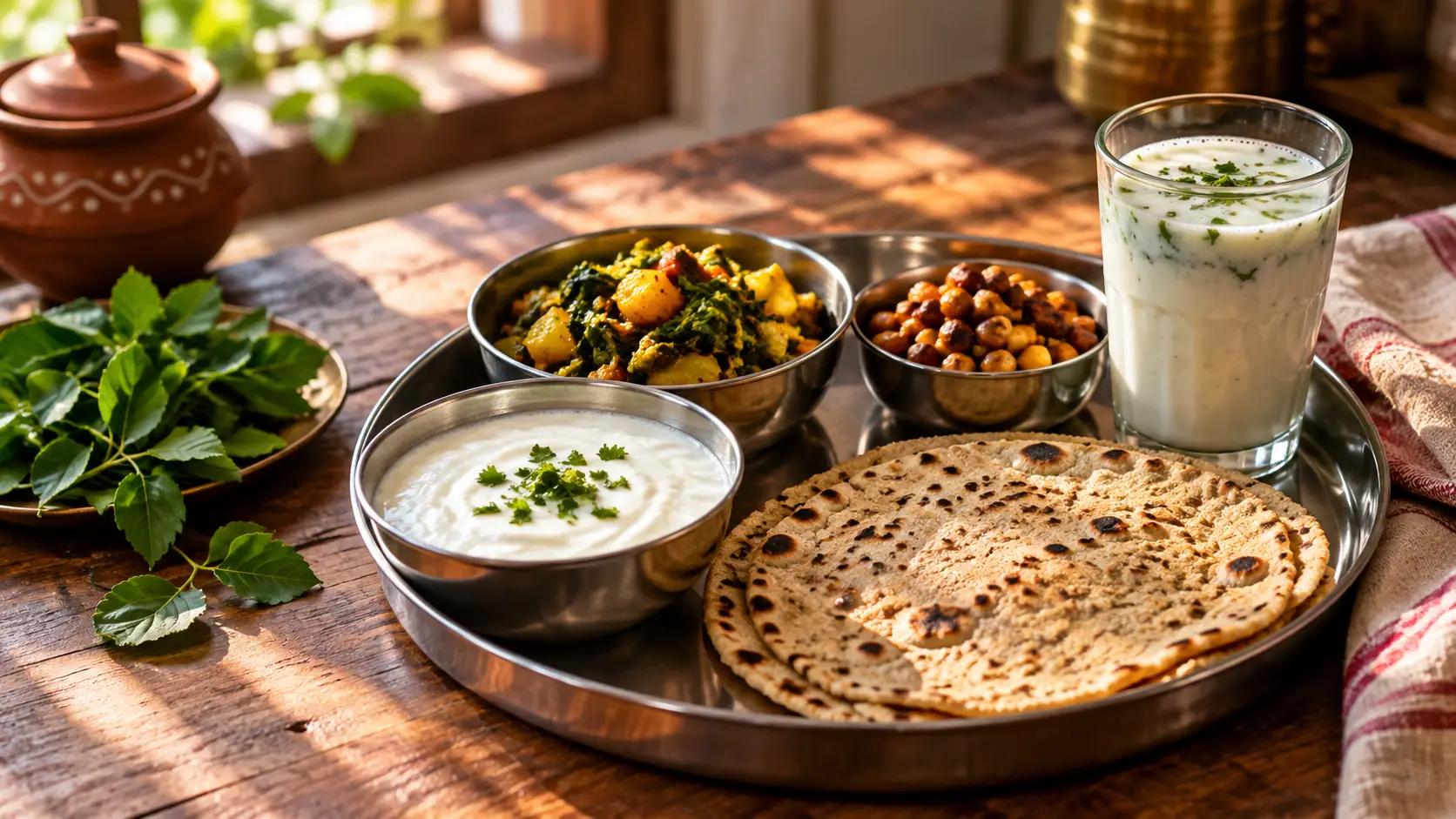
Think of your dadi’s kitchen. Nobody there counted calories. There was dahi with lunch, ghee on hot rotis, chaas in summer and bajra in winter. Nobody called it “gut health”. It was simply how food was eaten.
Then came decades of louder advice: fear the fat, cut the carbs, eat less. Food became arithmetic. Today, nutrition science is slowly asking a different question: not how much did you eat? but what is your food doing to the ecosystem inside you?
Extreme diets can backfire
Strict low-carb or zero-fat plans may look disciplined, but they can starve the microbes in your gut of the fibre and fats they depend on. The gut is often described as home to around 70% of the immune system. That figure is widely quoted, though it is better treated as approximate. If so, cutting out whole food groups may weaken the very system that protects you.
Read More : Wellness or Medicine? The Blurred Line Behind Mental Health Apps
A fresh look at old wisdom
Ghee was once demonised in India’s own kitchens. Many nutritionists are now taking a second look at it as a source of fats that can support digestion. The word that matters is mindfully: a spoon, not a puddle.
Diversity is the new goal : Gut Health
Instead of chasing weight loss alone, the conversation is moving towards “metabolic flexibility”, the body’s ability to switch between fuels smoothly. Ragi, jowar and bajra are not just “ancient grains”. They are fibre-rich foods that feed your gut microbes. The gut also produces a large share of the body’s serotonin, which is one reason your stomach and your mood seem so closely linked.
What this means on your plate
- Rotate your grains: ragi, jowar and bajra, not only wheat and rice.
- Eat a variety of dals, sabzi and seasonal fruits through the week.
- Use ghee in small, mindful amounts.
- Add fresh dahi or chaas to daily meals.
- Avoid crash diets that remove an entire food group.
A balanced, fibre-rich diet can also support better sleep quality, because the gut and the brain are always in conversation.
The KYB Insight
At KYB India, we keep Body and Brain as separate pillars, but your gut is where they meet. The anxious stomach, the restless night and the low mood are often one story, not three problems.
So drop the calculator. Ask yourself a gentler question each evening: “What did I feed my gut today?”
If you have persistent digestive problems, please consult a doctor.
KYB India is a Better Life Platform helping people understand the connections between Body, Brain, Being and Business. Through practical insights, ethical storytelling and the questions others often overlook, we make health, human behaviour and modern life easier to understand and better choices easier to make.