


Are Ancient Grains Really Healthier?
In the modern search for better health, people are slowly moving away from processed foods and rediscovering traditional eating patterns. In India, this shift is clearly visible in the growing popularity of millets, quinoa, and amaranth. These grains, often referred to as “ancient grains,” are being celebrated as healthier alternatives. But is this trend truly backed by science, or is it simply a return to what we once knew?
The Ancient Grains Advantage
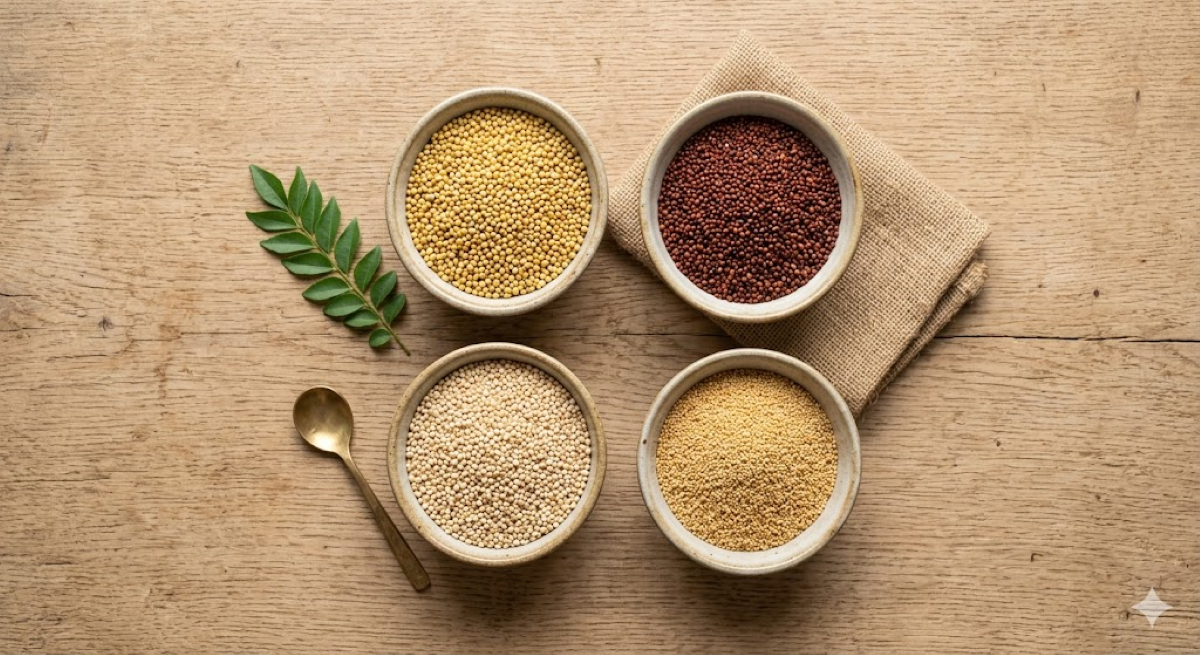
Ancient grains are varieties that have remained largely unchanged over centuries. Unlike modern wheat, which has been selectively modified for higher yield and softer texture, grains like jowar, bajra, and ragi have retained their original nutritional profile.
Read also: Mental Fatigue:http://Read also: Mental Fatigue: A Growing Health Crisis A Growing Health Crisis
However, the real advantage lies not just in their history, but in how they are consumed. These grains are typically eaten in their whole form, unlike refined wheat flour (maida), which is stripped of its fiber-rich bran and nutrient-dense germ. As a result, ancient grains provide a more complete package of nutrition, including dietary fiber, B vitamins, and essential minerals such as iron and magnesium.
Why India is Leading This Shift
India has taken a leading role in promoting ancient grains, especially millets, even marking an international year to highlight their importance. This movement is not just cultural, it is deeply practical. Ancient grains are becoming an important part of modern healthy diets.
For a country dealing with rising cases of lifestyle diseases, ancient grains offer measurable benefits. Studies suggest that replacing refined grains with millets or quinoa can help regulate post-meal blood sugar levels. This is particularly significant for India, which faces a growing diabetes burden.
In addition, many ancient grains are naturally gluten-free. Options like kuttu (buckwheat) and rajgira (amaranth) provide nutritious alternatives for those with gluten sensitivity or those choosing a gluten-free lifestyle.
There is also an environmental dimension. Crops like bajra and jowar are highly resilient. They require less water, fewer chemical inputs, and can survive in harsher climates. In a time of climate uncertainty, these grains are not just healthy—they are sustainable.
Beyond the Hype: The Role of Balance
While ancient grains offer clear benefits, it is important not to view them as miracle foods. No single grain can meet all nutritional needs. Health experts consistently emphasize the importance of dietary diversity.
Incorporating a mix of grains—both traditional and modern—ensures a wider range of nutrients. The goal should not be to replace one staple with another, but to create a balanced and varied diet that supports overall well-being.
Ancient grains are not a new discovery—they are a rediscovery. Their value lies in their simplicity, nutritional integrity, and adaptability to both human health and environmental needs.
The real takeaway is this: you do not need expensive imported superfoods to eat well. India’s own traditional grains offer a powerful, sustainable, and culturally relevant path to better health.
KYB Pulse Team

KYB India is a Better Life Platform helping people understand the connections between Body, Brain, Being and Business. Through practical insights, ethical storytelling and the questions others often overlook, we make health, human behaviour and modern life easier to understand and better choices easier to make.